


Artificial Grass: A Complete Professional Guide

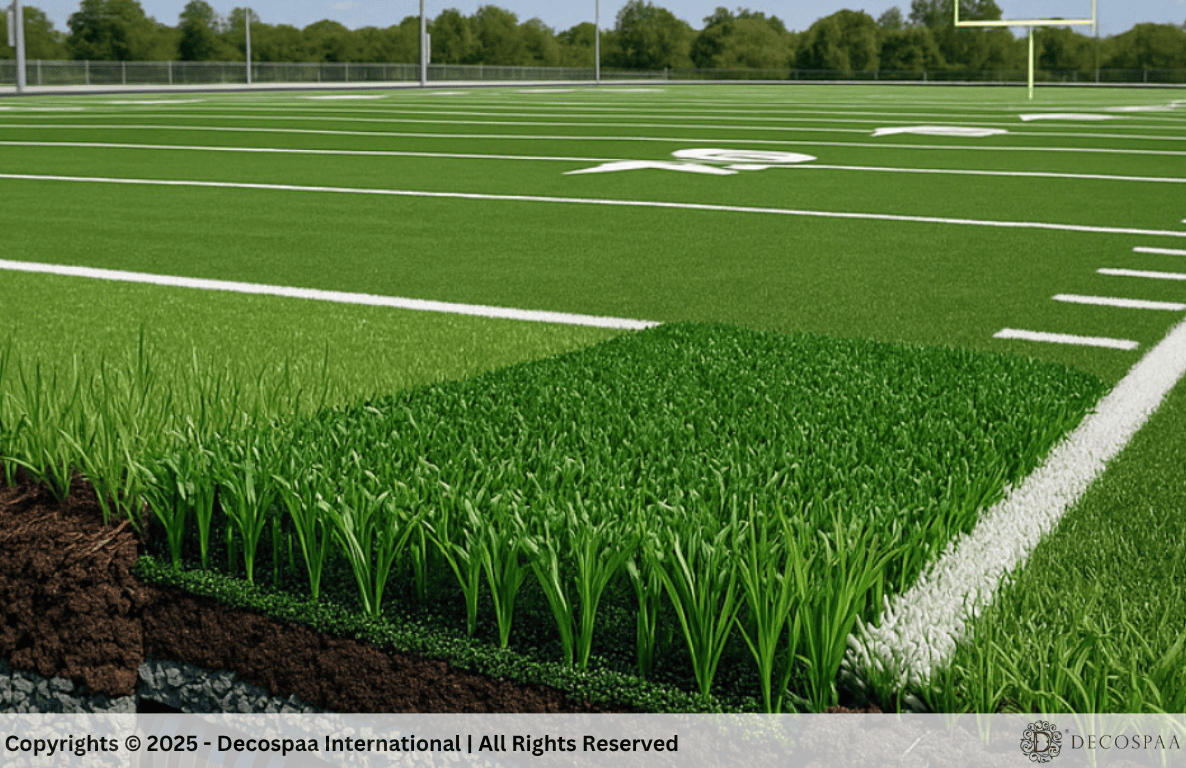
Types of Artificial Grass

By Material:
Polyethylene (PE): Soft, realistic appearance, ideal for lawns and landscaping.
Polypropylene (PP): Budget-friendly, less durable, often used decoratively for indoor displays, events, and creative installations
Nylon: Strongest and most resilient, best for high-traffic and sports applications like football, soccer, and golf.
By Application:
Landscaping Turf: Ideal for residential lawns, gardens, and commercial green spaces.
Sports Turf: Designed for football, soccer, golf, and multi-sport fields.
Pet-Friendly Turf: Designed with odor-control and easy-clean features for homes with pets, offering pet-friendly artificial grass options.
Decorative Turf: Perfect for indoor displays, events, and creative installations.

Advantages of Artificial Grass
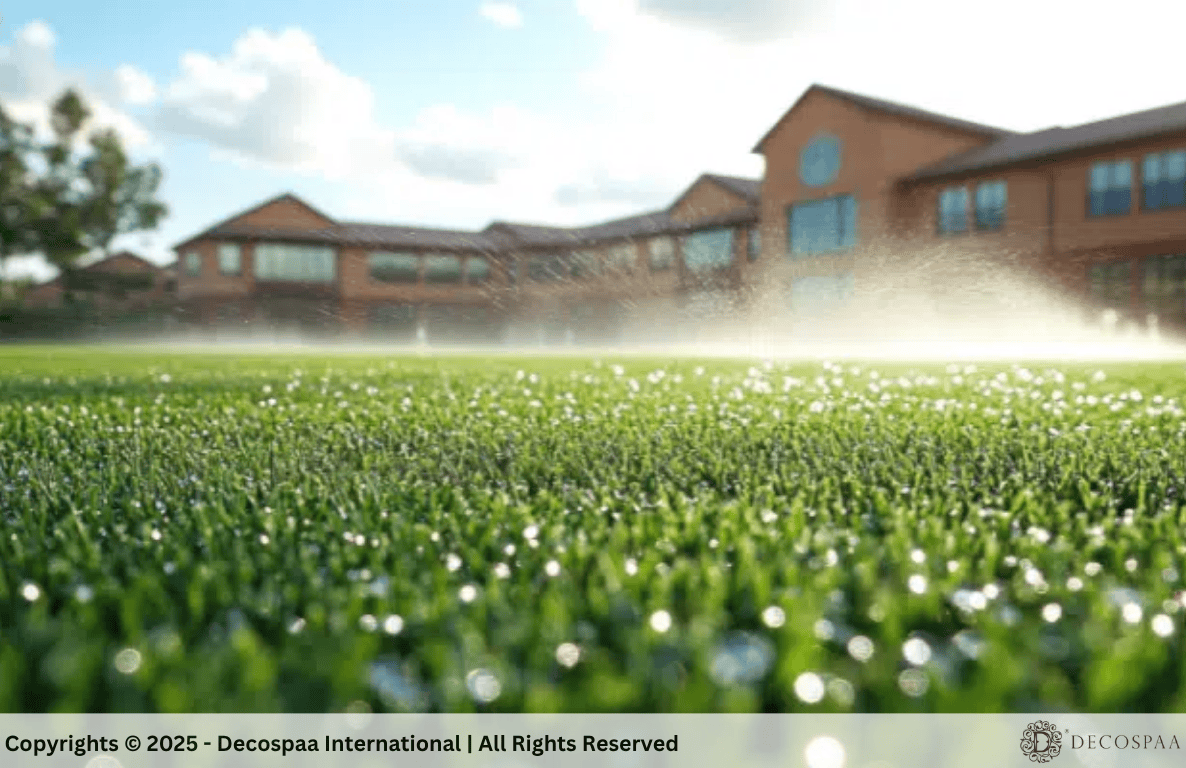
Water Conservation
Unlike natural grass, which can brown, patch, or thin out depending on the season, artificial turf remains consistently green and manicured in appearance. Today’s products are designed with multi-tone fibers and realistic textures that replicate the look and feel of natural grass, ensuring beautiful landscapes all year round without seasonal fluctuations.
While the initial investment in artificial grass can be higher compared to laying natural sod, the long-term financial savings are significant. With reduced spending on water, fertilizers, pesticides, mowing equipment, and labor, property owners often recoup their investment within a few years. Over time, artificial grass proves to be not just a convenience, but a cost-effective solution.
With advancements in manufacturing, eco-conscious artificial grass options are available today. Many systems now feature recyclable backings, non-toxic materials, and sustainable infills, ensuring minimal environmental impact. This makes artificial grass a responsible choice for municipalities, green-building projects, and businesses seeking to align with sustainability.
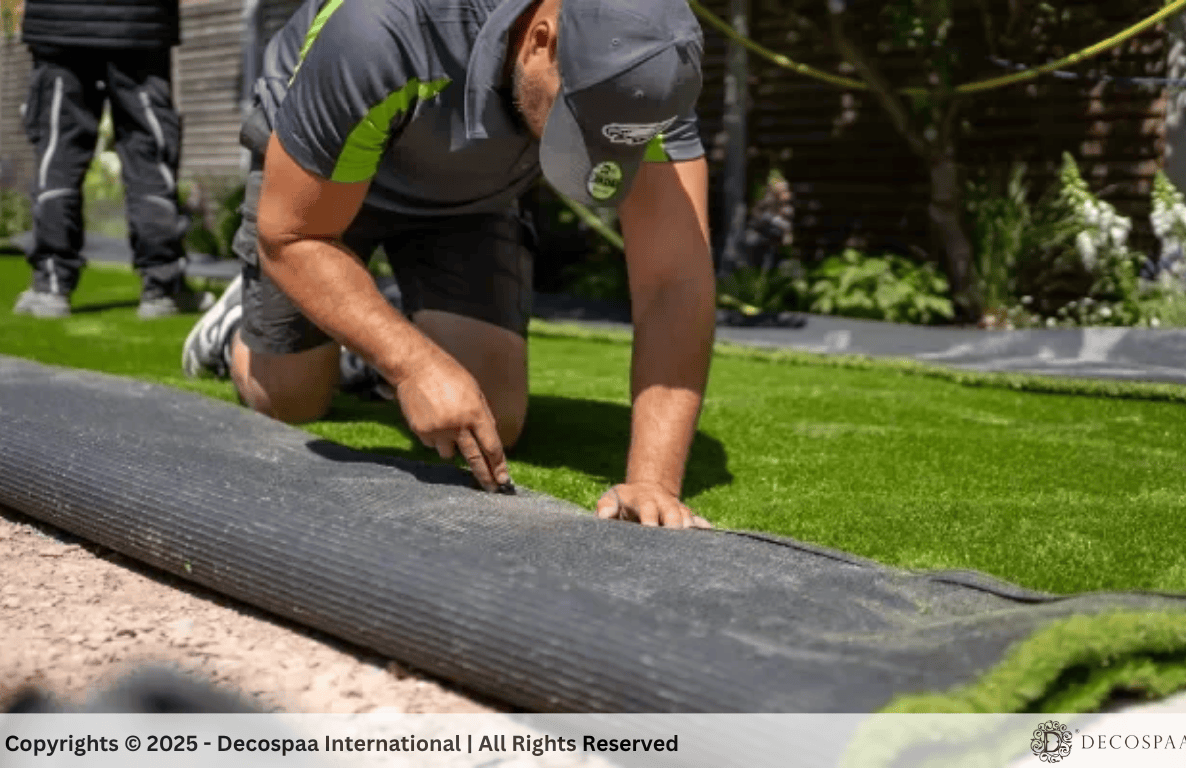

Maintenance of Artificial Grass
Weekly/Monthly Cleaning
Debris Removal: Regularly clear away leaves, twigs, and other debris with a leaf blower, rake, or broom.
Rinsing: Hose down the surface occasionally to wash away dust and keep the turf looking vibrant.
Preventing Stains: Clean up spills immediately to avoid long-term discoloration, especially in commercial or high-traffic areas.
Odor Control: For pet-friendly lawns, use enzyme-based cleaners
specifically designed for artificial grass to neutralize odors.
Sanitation: Rinse areas regularly where pets relieve themselves to
maintain freshness and prevent bacterial buildup.
Safe Products: Avoid harsh chemicals—stick to turf-safe solutions to protect fibers and backing materials.
Uplifting Fibers: Over time, turf blades may flatten under foot traffic or furniture. Use a stiff-bristled broom or power brush to groom.
Seasonal Focus: Perform more thorough brushing during and after high-use seasons (summer play, sports sessions, or events).
Even Distribution: Brushing also helps redistribute infill, ensuring
consistent cushioning and appearance.
Environmental Impact of Artificial Grass
Water Conservation
A major environmental benefit of synthetic turf is its ability to save water.
An average household can conserve between 22,000–30,000 gallons of water annually by switching to artificial grass.
This makes synthetic turf particularly valuable in drought-prone regions and cities facing water scarcity, aligning with broader sustainability goals.
Elimination of Fertilizers
Artificial grass removes the need for harmful chemicals such as fertilizers, pesticides, and herbicides.
This not only promotes a healthier environment but also reduces the risk of chemical runoff contaminating soil and groundwater.
Municipalities and businesses benefit by cutting down on maintenance costs.
Reduction in Carbon
Natural lawns require frequent mowing, often powered by gasoline lawnmowers that emit carbon dioxide and other pollutants.
By eliminating the need for mowing, synthetic turf significantly reduces greenhouse gas emissions associated with lawn care.
This contributes to a lower carbon footprint and supports global climate.
Environmental
While beneficial in many ways, artificial turf does have environmental considerations:
Non-Biodegradable Plastics: Most turf products are made from polyethylene, polypropylene, or nylon, which do not decompose naturally.
Microplastic Runoff: Fibers and infill particles may break down into microplastics, which can enter waterways.
End-of-Life Disposal: Disposing of old turf can be challenging, as recycling infrastructure for synthetic grass.
Innovations and Future
Recyclable Backing: New turf systems feature recyclable or partially biodegradable backings, reducing landfill waste.
Organic Infills: Alternatives such as cork, coconut husk, or olive pit infills are replacing rubber.
Energy-Efficient Manufacturing: Advances in production methods are lowering the environmental footprint of turf production.
Circular Economy Efforts: Manufacturers are exploring “take-back programs.
Conclusion
Artificial grass has evolved into a sophisticated landscaping and sports solution that balances functionality, durability, and aesthetics. While the initial investment can be high, the long-term cost savings, environmental benefits, and low maintenance make it a viable alternative to natural grass for many applications, including sports turf, residential lawns, and commercial landscapes.
By carefully selecting the right type of synthetic turf, understanding installation requirements, and adopting proper maintenance practices, property owners can enjoy lush green spaces year-round while contributing to water conservation and promoting sustainable living. The adoption of eco-friendly turf options, along with innovations like biodegradable and recyclable systems, ensures that artificial grass remains a responsible and practical choice for the future.